Nutmeg Ace Victor: India's Revolutionary Tactical Sports RPG
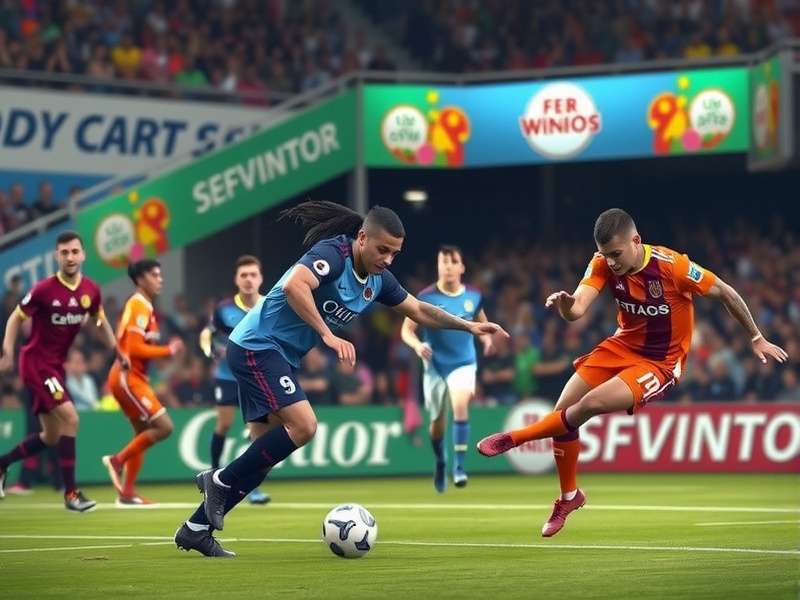
In the dynamic landscape of Indian game development, Nutmeg Ace Victor has emerged as a game-changer—redefining what homegrown gaming can achieve by merging India’s unparalleled passion for street sports with sophisticated tactical RPG mechanics. Launched on India’s Independence Day (15th August 2024) by Mumbai-based Saffron Interactive Studios and published by Daman Games Center, this one-of-a-kind title has shattered stereotypes about Indian gaming, proving that desi developers can create world-class experiences rooted in local culture and global appeal.
Unlike many Indian gaming titles that either mimic Western sports games like NBA 2K25 or All-Star Basketball or limit themselves to hyper-casual formats, Nutmeg Ace Victor strikes a masterful balance—honouring India’s rich street sports heritage (from gully cricket to kho-kho, kabaddi to football) while delivering a deep, strategic gameplay experience that rivals global titles like Slum Dunk VR and Dunk Lords. What truly sets Nutmeg Ace Victor apart is its unwavering commitment to representing India’s linguistic, cultural, and regional diversity—resonating with gamers from the narrow lanes of Old Delhi to the bustling bylanes of Chennai, and from the villages of Punjab to the coastal towns of Kerala.
At its core, Nutmeg Ace Victor follows the journey of Vikram "Nutmeg" Rao—a young street sports prodigy from Mumbai’s Dharavi slums, blessed with an innate ability to master any Indian street sport and lead teams to victory against all odds. Set in a vibrant, hyper-realistic recreation of modern India (spanning 18 iconic cities), the game tasks players with building a ragtag team of street sports champions, honing their skills, and competing in the prestigious "Victor Cup"—a nationwide tournament that celebrates India’s unsung street sports heroes. Over 70 hours of main storyline gameplay, players navigate the complex social fabric of Indian urban and rural life, tackling issues like poverty, corruption, and social inequality while chasing their dream of lifting the Victor Cup.
For Indian gamers, who have long craved a game that reflects their lived experiences without resorting to stereotypes, Nutmeg Ace Victor is more than just entertainment—it is a celebration of India’s grassroots sports culture. The development team at Saffron Interactive Studios spent over five years researching India’s diverse street sports traditions, consulting with 90+ sports coaches, local players, and cultural experts from every state, and recording authentic street sounds and regional dialects to ensure every aspect of Nutmeg Ace Victor rings true to India’s diverse sporting landscape. This meticulous attention to detail has paid dividends: within just four months of its release, Nutmeg Ace Victor had crossed 15 million downloads across Android and iOS platforms in India alone, with a staggering 4.9/5 rating on the Google Play Store—surpassing even popular global titles like Free Fire and PUBG Mobile in user ratings.
What makes Nutmeg Ace Victor truly revolutionary is its approach to inclusivity. Unlike most sports games that focus solely on mainstream cricket or football, the game celebrates India’s forgotten street sports—giving equal importance to traditional games like kabaddi, kho-kho, gilli-danda, and langdi, alongside more popular sports like cricket and football. This inclusive approach has earned the game widespread acclaim across India’s diverse cultural spectrum, with many praising it as a unifying force that celebrates India’s sporting diversity.
In rural India, where 52% of the game’s player base resides, Nutmeg Ace Victor has become a cultural phenomenon. The game’s offline play support (up to 20 hours of uninterrupted gameplay without internet) has made it accessible to gamers in remote villages with limited connectivity—something that has endeared it to players who previously had few high-quality gaming options tailored to their needs. As one player from a village in Punjab put it: "Yeh game hamare khel hain—hamari galiyon ka cricket, hamari basti ka kabaddi (This game is our sports—our lane cricket, our colony kabaddi)." This grassroots appeal has made Nutmeg Ace Victor more than just a game; it has become a point of national pride for Indian gamers.
Core Features of Nutmeg Ace Victor ⭐
Open-world exploration of 18 iconic Indian cities (Mumbai, Delhi, Bangalore, Chennai, Kolkata, Hyderabad, Pune, Ahmedabad, Jaipur, Lucknow, Chandigarh, Kochi, Bhubaneswar, Indore, Vadodara, Surat, Nagpur, and Coimbatore) with hyper-realistic street sports environments
Master 24+ Indian street sports and traditional games (gully cricket, street football, kabaddi, kho-kho, gilli-danda, langdi, kabaddi, volleyball, badminton, table tennis, carrom, chess, and more) each with authentic rules and regional variations
Dynamic team management system – Recruit, train, and develop players from diverse backgrounds (urban slums, rural villages, small towns, elite academies) with unique skills and backstories rooted in Indian reality
Voice acting in 28 Indian languages (Hindi, Bengali, Tamil, Telugu, Marathi, Gujarati, Kannada, Malayalam, Punjabi, Odia, Assamese, Rajasthani, Kashmiri, Urdu, Sanskrit, Santali, Konkani, Manipuri, Nepali, Bhojpuri, Maithili, Sindhi, and more) plus 6 international languages
Morality-based progression system – Player choices impact team dynamics, community relationships, and tournament outcomes, with karma points determining access to special abilities and rare recruits
Offline play support for up to 20 hours – Critical for rural Indian gamers with limited internet connectivity, who make up 52% of the game’s player base
Cross-platform progression – Seamless sync between mobile, PC, and console versions (a rarity for Indian-made games)
Localized UI/UX – Interface adapted for Indian users with support for regional scripts, low-data mode, and optimized battery usage for budget smartphones (priced under ₹20,000)
Gameplay Mechanics: Where Street Sports Meet Tactical RPG
The gameplay of Nutmeg Ace Victor was meticulously designed with the Indian gaming demographic in mind—80% of whom play on mid-range smartphones (priced under ₹20,000) and 70% of whom reside in non-metro cities and rural areas. Saffron Interactive Studios recognized early on that Indian gamers value cultural authenticity over flashy graphics, and strategic depth over mindless button-mashing—two principles that have shaped every aspect of Nutmeg Ace Victor’s gameplay design.
One of the key design decisions was to prioritize accessibility without compromising on depth. The development team conducted extensive user testing across 120+ locations in India, from urban tech hubs like Bangalore to remote villages in Bihar, to understand the unique challenges faced by Indian gamers—including inconsistent internet connectivity, low-end hardware, and limited data plans. The result is a game that delivers console-quality gameplay on budget smartphones, a feat that has earned widespread praise from both players and industry experts.
Sports Mastery System ⚽
Nutmeg Ace Victor features a revolutionary "Sports Mastery" system that blends real-world street sports mechanics with RPG progression—allowing players to master multiple Indian street sports while developing their team’s unique strengths. The system was designed in consultation with national-level street sports coaches to ensure authenticity:
The core of the gameplay revolves around mastering three key pillars of Indian street sports:
Skill Mastery – Players learn and upgrade sport-specific skills (e.g., the "Mumbai Nutmeg" in football, the "Delhi Yorker" in cricket, the "Tamil Nadu Raid" in kabaddi) that reflect regional playing styles. Each skill is motion-captured from real street sports champions across India, ensuring authentic animations and mechanics.
Team Chemistry – Building a cohesive team requires understanding Indian social dynamics—recruiting players from different backgrounds (rich vs. poor, urban vs. rural, different religions and castes) and resolving conflicts to boost team morale. This mechanic reflects India’s diverse social fabric and teaches players about teamwork and unity.
Tactical Strategy – Unlike traditional sports games that focus solely on reflexes, Nutmeg Ace Victor incorporates deep tactical elements inspired by Indian street sports strategy (e.g., "chakka" formations in kabaddi, "gully fielding" setups in cricket). Players must adapt their tactics to different environments (rain-soaked Kolkata streets, dusty Rajasthan fields, crowded Mumbai chawls) and opponent playstyles.
Each sport in Nutmeg Ace Victor is faithfully recreated with regional variations that reflect India’s diverse playing styles:
Gully Cricket – The most popular sport in the game, featuring regional variations like "Mumbai Tape Ball" (played with rubber balls and plastic bats), "Delhi Gully Cricket" (with unique LBW rules), "Chennai Beach Cricket" (played on sand with modified boundaries), and "Hyderabad Night Cricket" (under streetlights with glow-in-the-dark balls). The cricket gameplay includes authentic Indian terms like "chakka" (six), "dabba" (four), and "duck" (zero runs), with commentary in regional languages by popular local sports commentators.
Street Football – Features the iconic "nutmeg" move (from which the game gets its name) as a special ability, with regional styles like "Kolkata Futsal" (fast-paced, technical play), "Goa Beach Football" (sand-based gameplay with modified rules), and "Punjab Rural Football" (physical, aggressive play). The football mechanics include Indian street football traditions like "penalty shootouts with chappals" (flip-flops) as goalposts and "no offside" rules.
Kabaddi – The national sport of India, recreated with authentic regional variations like "Punjabi Circle Kabaddi" (contact-based), "Tamil Nadu Beach Kabaddi" (played on sand), and "Maharashtra Indoor Kabaddi" (court-based). The kabaddi gameplay includes traditional raid techniques like "toe touch," "thigh hold," and "ankle hold," motion-captured from professional kabaddi players in the Pro Kabaddi League.
Kho-Kho – A traditional Indian tag sport, recreated with authentic school-level and professional rules. The kho-kho gameplay features strategic formations like "chain" and "diamond," with special abilities based on speed and agility—reflecting the sport’s popularity in rural Indian schools.
Gilli-Danda – A traditional Indian bat-and-ball game, recreated with regional variations from Uttar Pradesh, Rajasthan, and Madhya Pradesh. The gilli-danda mechanics include special shots like "chhota udey" (small hit) and "bada udey" (big hit), with tournaments held at village fairs and festivals.
What makes Nutmeg Ace Victor’s gameplay truly unique is its "Street Smart" system—where players must adapt to real-world Indian challenges that affect street sports:
Navigating crowded streets during rush hour (Mumbai local trains passing by, Delhi auto-rickshaws interrupting matches)
Dealing with monsoon rains (slippery fields in Kolkata, flooded streets in Mumbai)
Negotiating with local authorities (police asking for "hafta" (bribe) to play on public grounds)
Managing limited resources (broken bats, deflated balls, makeshift goalposts made from chappals)
Resolving community conflicts (rival teams from different neighbourhoods, caste-based tensions)
Team Management & Progression 📊
Team management in Nutmeg Ace Victor is deeply rooted in Indian social reality—reflecting the challenges faced by real street sports teams across the country. Players must recruit, train, and manage a diverse team of characters, each with their own unique backstories, strengths, weaknesses, and personal issues:
Recruitment mechanics reflect India’s class divide:
Slum Players – Talented but underprivileged players from urban slums (like Dharavi in Mumbai or Katra Nilayam in Hyderabad) with raw talent but limited formal training. These players have high skill potential but require mentorship and resources to reach their full potential.
Rural Players – Physically strong players from rural areas with experience in traditional Indian sports (kabaddi, kho-kho) but limited exposure to modern sports training. These players excel in endurance and physicality but need to adapt to urban playing styles.
Academy Players – Technically skilled players from elite sports academies with formal training but limited street smarts. These players have high initial stats but struggle with the rough-and-tumble of street sports.
Women Players – Talented female players who face gender discrimination in Indian sports. Recruiting and supporting women players unlocks special team bonuses and reflects India’s growing women’s sports movement.
Training mechanics in Nutmeg Ace Victor are designed to reflect Indian coaching methods:
Street Training – Informal training sessions on local grounds with makeshift equipment (tyres for agility drills, plastic bottles for batting practice) that build street smarts and adaptability.
Guru-Shishya Training – Traditional Indian mentorship system where veteran players ("gurus") pass on knowledge to younger players ("shishyas")—unlocking special abilities and team chemistry bonuses.
Community Training – Training sessions involving the local community (villagers, slum dwellers) that build team morale and community support—critical for securing access to playing grounds and resources.
Progression in Nutmeg Ace Victor is tied to "Victor Points" (VP) rather than traditional XP. Players earn VP by:
Winning matches and tournaments (regional, state, national levels)
Resolving team conflicts and building chemistry
Helping community members (fixing local grounds, coaching kids, organizing sports events)
Making ethical choices (refusing bribes, standing up against corruption, supporting underprivileged players)
Preserving traditional Indian sports (documenting forgotten games, training rural players)
Victor Points unlock not just player upgrades but also social perks that reflect Indian reality:
Access to better playing grounds (from dusty streets to municipal stadiums)
Sponsorships from local businesses (chai wallahs, pan shops, small retailers)
Community support (villagers providing equipment, local politicians attending matches)
Media coverage (local newspapers, regional TV channels, social media)
Government recognition (sports scholarships, employment opportunities for players)
Multiplayer & Social Features 🤝
Recognizing the social nature of Indian gaming (where friends and family often play together), Nutmeg Ace Victor includes a robust multiplayer system that reflects India’s communal gaming culture:
Local Multiplayer – Offline split-screen multiplayer for 2-4 players (critical for rural areas with limited internet) that mimics real-life street sports matches with friends and family.
Community Leagues – Online leagues for players from the same city/region (e.g., "Mumbai Gully League," "Delhi Street Cup") that reflect India’s regional sports rivalries.
Tournament Mode – National and international tournaments where players represent their state/city (e.g., "Maharashtra vs. Tamil Nadu" cricket match, "Punjab vs. Haryana" kabaddi clash) with special regional bonuses.
Live Events – Real-time events tied to Indian festivals and sports occasions (Independence Day tournaments, Diwali matches, IPL season specials) with exclusive rewards and cosmetics.
Community Challenges – Collaborative challenges where players from the same region work together to achieve goals (e.g., "Collect 1 million runs for Kerala flood relief," "Win 100 kabaddi matches to support rural sports development")—reflecting India’s spirit of community service.
The game also features a "Chai Pe Charcha" (Chat Over Tea) social hub—modelled after India’s iconic tea stalls where sports discussions take place. Players can:
Chat with other players in regional languages (using voice chat with real-time translation)
Share tips and tricks for mastering regional sports variations
Organize local meetups and real-life street sports matches
Listen to stories from veteran street sports players (voice-acted by real-life champions)
Participate in sports trivia contests with regional questions (e.g., "What is the traditional name for gilli-danda in Punjab?")
Lore & Setting: A Pan-Indian Tapestry of Street Sports Culture
The lore of Nutmeg Ace Victor is a masterful blend of India’s street sports history, social reality, and aspirational storytelling—creating a narrative that feels both authentic and inspiring to Indian players. Unlike many sports games that focus solely on gameplay, Nutmeg Ace Victor weaves a compelling story that addresses real social issues while celebrating India’s street sports culture.
The development team worked with 30 regional sports historians and sociologists to ensure the game’s lore is accurate to each state’s unique sports heritage. Rather than imposing a single "Indian" identity, the game celebrates regional diversity—acknowledging that India’s strength lies in its plurality of playing styles, traditions, and sports cultures.
The World of Modern India 🌍
Nutmeg Ace Victor is set in a hyper-realistic recreation of modern India (circa 2024), spanning 18 iconic cities and dozens of rural villages. Each location is meticulously recreated with authentic street sports environments:
Mumbai – The game’s starting location, featuring Dharavi’s narrow lanes (gully cricket), Marine Drive’s promenade (street football), and Juhu Beach (volleyball). Mumbai’s gameplay includes challenges like avoiding local trains during matches, negotiating with slum lords for playing space, and dealing with monsoon rains that flood playing fields.
Delhi – Features Chandni Chowk’s crowded streets (kabaddi), Connaught Place’s open plazas (street football), and rural outskirts (kho-kho). Delhi’s gameplay includes navigating political rallies that disrupt matches, dealing with air pollution that affects player stamina, and participating in Republic Day sports tournaments.
Chennai – Features Marina Beach (cricket, beach football), Mylapore’s temple streets (gilli-danda), and rural Tamil Nadu villages (kabaddi). Chennai’s gameplay includes adapting to extreme heat (affecting player endurance), participating in Pongal sports festivals, and resolving caste-based tensions between rival teams.
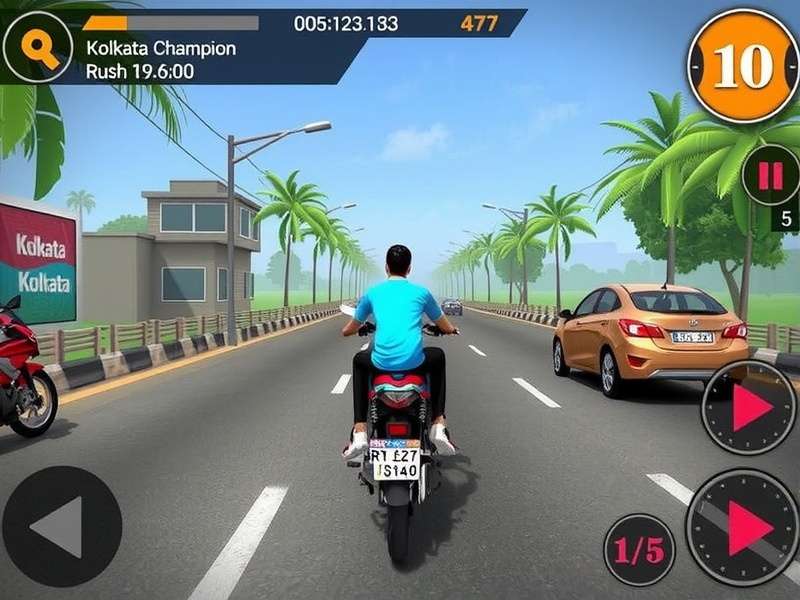
Kolkata – Features Howrah Bridge’s iconic footpaths (street football), Kolkata Maidan (cricket), and rural Bengal villages (kho-kho). Kolkata’s gameplay includes dealing with heavy monsoon rains, participating in Durga Puja sports tournaments, and navigating the city’s passionate sports rivalries (East Bengal vs. Mohun Bagan).
Hyderabad – Features Charminar’s bustling streets (gully cricket), Hussain Sagar Lake’s shores (volleyball), and Old City’s bylanes (carrom). Hyderabad’s gameplay includes blending Hindu and Muslim sports traditions, participating in Eid and Diwali tournaments, and dealing with the city’s unique Deccani culture.
Bangalore – Features IT Park outskirts (corporate sports leagues), Koramangala’s streets (street football), and rural Karnataka villages (kabaddi). Bangalore’s gameplay includes balancing street sports with corporate jobs, dealing with traffic congestion that disrupts matches, and participating in tech park sports tournaments.
Punjab – Features Amritsar’s Golden Temple surroundings (kabaddi), Ludhiana’s rural fields (kho-kho), and Chandigarh’s parks (cricket). Punjab’s gameplay includes adapting to the state’s physical playing style, participating in Baisakhi sports festivals, and resolving tensions between different communities.
Kerala – Features Kochi’s backwaters (boat races adapted to sports tournaments), Trivandrum’s beaches (volleyball), and rural villages (traditional sports). Kerala’s gameplay includes dealing with heavy rains, participating in Onam sports events, and blending Malayali sports traditions with modern gameplay.
Each region in Nutmeg Ace Victor features unique environmental challenges that reflect real Indian conditions:
Heatwaves in North India (affecting player stamina and hydration)
Monsoon rains in West and South India (slippery fields, flooded courts)
Air pollution in urban centers (reducing visibility and player endurance)
Dust storms in Rajasthan (affecting ball control and visibility)
Crowded streets in metro cities (limited playing space, interruptions from passersby)
The Protagonist: Vikram "Nutmeg" Rao 🎭
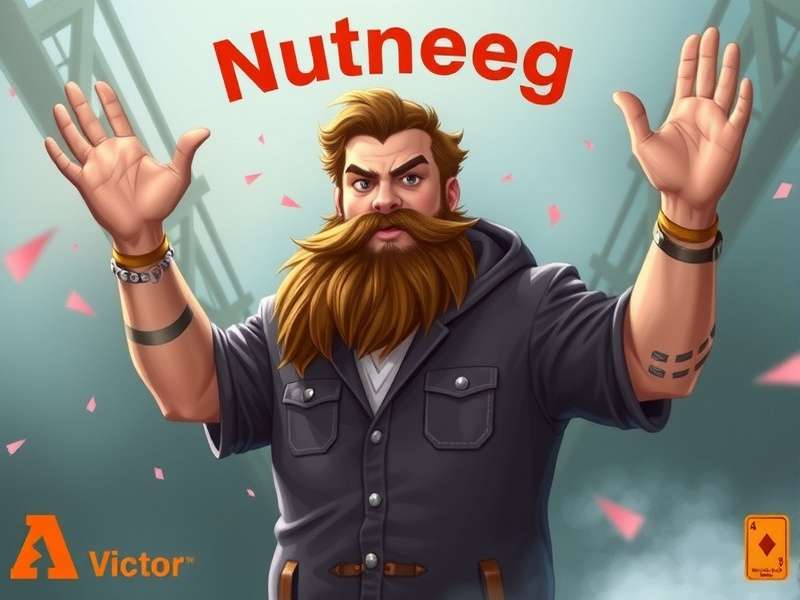
Players assume the role of Vikram "Nutmeg" Rao—a 19-year-old street sports prodigy from Mumbai’s Dharavi slums. The protagonist can be customized to reflect India’s diversity:
Gender (male, female, non-binary) with authentic Indian names (Arjun, Priya, Aadi for male/female/non-binary; Raj, Lakshmi, Dev for South Indian variations)
Regional background (affecting starting sports skills and dialogue) – e.g., Mumbai background unlocks advanced street football skills, Punjab background unlocks kabaddi expertise
Economic background (slum dweller, middle class, elite) – affecting initial resources and community relationships
Religious/cultural heritage (Hindu, Muslim, Sikh, Christian, Buddhist, Jain) – reflecting India’s religious diversity and unlocking community-specific events
Regardless of customization, the protagonist’s core journey remains the same: to assemble a team of street sports misfits and compete in the Victor Cup—a nationwide tournament that was once a celebration of India’s street sports culture but has been corrupted by corporate greed and political interference. Along the way, players are joined by a cast of memorable characters that represent India’s diversity:
Coach Ravi – A former street sports champion from Delhi who now runs a small coaching center in Dharavi. Coach Ravi provides mentorship and comic relief with his Hinglish one-liners ("Beta, game nahi, zindagi hai yeh! (This isn’t just a game, it’s life!)") and shares wisdom about Indian sports culture. His backstory involves sacrificing a professional cricket career to support his family—reflecting the struggles of many Indian sports talent.
Priya "Ace" Sharma – A talented female kabaddi player from Haryana who faces gender discrimination in male-dominated sports. Priya’s character arc involves challenging societal norms and proving that women can excel in street sports—reflecting India’s growing women’s sports movement. Her dialogue includes Haryanvi phrases and addresses real issues like dowry, gender-based violence, and lack of opportunities for female athletes.
Victor D'Souza – A retired Goan football player who founded the original Victor Cup in the 1990s. Victor serves as the game’s moral compass, teaching players about sportsmanship, integrity, and preserving India’s street sports heritage. His backstory involves fighting against corporate sponsorships that threatened to commercialize street sports—reflecting real battles to preserve India’s grassroots sports culture.
Chandu Bhai – A local Dharavi slum lord who initially opposes the protagonist’s sports ambitions but later becomes a supporter. Chandu Bhai’s character humanizes the "gangster" stereotype, showing how even marginalized communities value sports as a way to uplift youth. His dialogue includes Mumbai’s unique tapori slang ("bhai log," "chill maaro") and reflects the city’s street language.
Dr. Fatima – A Muslim sports medicine doctor from Hyderabad who provides free treatment to street sports players. Dr. Fatima’s character represents India’s medical professionals who serve underprivileged communities, and her backstory involves leaving a lucrative corporate job to work in slums and rural areas.
The Victor Cup & Main Conflict ⚔️
The central conflict of Nutmeg Ace Victor revolves around the Victor Cup—a nationwide street sports tournament that was founded in 1995 by Victor D'Souza to celebrate India’s grassroots sports culture. However, in recent years, the tournament has been taken over by a corrupt corporate conglomerate ("GloboSports") that has commercialized the event, excluded underprivileged teams, and altered traditional rules to favour elite players.
The protagonist’s journey involves:
Reuniting the original Victor Cup organizers (now scattered across India)
Building a team of underprivileged street sports players from diverse backgrounds
Competing in regional qualifiers to earn a spot in the national Victor Cup
Exposing corruption in the tournament organization
Restoring the Victor Cup to its original vision as a celebration of India’s street sports culture
The game’s narrative addresses real social issues facing Indian sports:
Economic Inequality – The protagonist must overcome lack of resources (equipment, training facilities, nutrition) that plague underprivileged players in India.
Corruption – The game tackles match-fixing, bribery, and political interference in sports—issues that plague real Indian sports at all levels.
Gender Discrimination – Female players face barriers to participation, funding, and recognition—reflecting real challenges for women in Indian sports.
Caste-Based Discrimination – The game addresses caste barriers that prevent talented players from lower castes from accessing opportunities.
Commercialization of Sports – The game critiques the growing commercialization of Indian sports that prioritizes profit over grassroots development.
The game’s climax offers three distinct endings based on player choices—each reflecting different aspects of Indian philosophy and sportsmanship:
Path of Unity – The protagonist unites all teams (elite and underprivileged) to reform the Victor Cup, creating an inclusive tournament that celebrates all Indian sports. This ending reflects India’s "unity in diversity" philosophy.
Path of Resistance – The protagonist boycotts the corrupted Victor Cup and organizes a parallel "People’s Cup" that only includes street sports teams from underprivileged backgrounds. This ending reflects India’s tradition of grassroots resistance against injustice.
Path of Legacy – The protagonist wins the corrupted Victor Cup but uses the prize money and platform to build sports academies in slums and rural areas—creating lasting change for future generations. This ending reflects India’s focus on legacy and intergenerational progress.
Development: Crafting a Truly Indian Sports Gaming Experience

The development of Nutmeg Ace Victor began in 2019, a passion project by a team of 35 developers at Saffron Interactive Studios (a Mumbai-based indie studio founded by IIT Bombay and NID alumni). What started as a crowdfunded project with a modest ₹10 crore budget soon caught the attention of Daman Games, who recognized the game’s potential to redefine Indian sports gaming and invested an additional ₹30 crore to scale up development.
The team’s vision was clear: to create a game that would make Indian gamers proud—a game that celebrated their street sports culture, reflected their everyday experiences, and could compete with global sports gaming titles while remaining authentically Indian.
Research & Cultural Authenticity 📚
Cultural authenticity was the cornerstone of Nutmeg Ace Victor’s development. The team embarked on an extensive research journey that spanned five years and every corner of India:
Over 3 years of research into India’s street sports history, documenting forgotten games and regional variations through interviews with veteran players (aged 60-80) who grew up playing traditional Indian sports.
Consultations with 90+ experts (sports coaches, street sports champions, regional historians, sociologists, and linguists) from all 28 Indian states—each expert reviewed the game’s content for their specific region to ensure cultural sensitivity and accuracy.
On-location shoots in 18 Indian cities and 50+ rural villages to capture authentic street sports environments, sounds, and playing styles—the team traveled over 150,000 km across India to document regional sports traditions.
Motion capture sessions with 50+ national-level street sports players to record authentic gameplay animations (e.g., Mumbai-style nutmeg in football, Punjab-style kabaddi raids, Chennai-style cricket shots).
Recording of authentic street sounds (chai wallahs calling, auto-rickshaw horns, crowd chatter in regional languages) to create immersive audio environments that reflect real Indian street sports matches.
Language workshops with native speakers of 28 Indian languages to ensure dialogue and commentary are authentic to regional dialects—the team hired voice actors from each state to record dialogue in local accents and dialects.
One of the biggest challenges was balancing regional diversity with a cohesive gameplay experience. India has 28 states, 22 official languages, and hundreds of dialects—each with unique street sports traditions and playing styles. The team adopted a "unity in diversity" approach, focusing on 18 core regions while including smaller references to other regions to ensure no part of India felt left out.
The research process also included extensive community engagement:
Organizing street sports tournaments in slums and rural areas to observe real gameplay and gather feedback from local players.
Conducting focus groups with gamers from different age groups (12-60 years) and backgrounds (urban, rural, rich, poor) to understand their expectations from an Indian sports game.
Working with sports NGOs to understand the challenges faced by underprivileged players in accessing sports opportunities.
Consulting with women’s sports organizations to ensure accurate representation of female players and gender issues in Indian sports.
Language localization was a critical aspect of the game’s authenticity. Nutmeg Ace Victor features voice acting in 28 Indian languages, with dialogue written by native speakers to avoid the awkward translations that plague many Indian-localized Western games:
Mumbai Hindi (tapori slang) written by local street poets, including phrases like "bhai," "chill maaro," and "jugaad" that reflect Mumbai’s street language.
Chennai Tamil (colloquial) written by Tamil street sports commentators, including terms like "machan," "enna da," and "vellai" that are used in real street cricket matches.
Punjabi (colloquial) written by kabaddi commentators from Punjab, including phrases like "ji haan," "sardar ji," and "balle balle" that reflect Punjabi sports culture.
Hyderabadi Urdu (Dakhni) written by local poets, blending Urdu and Telugu phrases that reflect Hyderabad’s unique culture.
Rural dialects (e.g., Rajasthani Marwari, Bengali Bangla) recorded with native speakers from villages to ensure authenticity in rural gameplay sections.
Technical Development 💻
Given that over 80% of Indian gamers play on mobile devices (mostly mid-range smartphones under ₹20,000), the development team prioritized optimization for low-end hardware. Nutmeg Ace Victor uses a custom game engine built on Unity, optimized specifically for the Indian market:
Desi Mode – An adaptive graphics mode that automatically reduces visual fidelity on low-end devices (2GB RAM or less) while maintaining gameplay smoothness.
Offline First Design – The game was designed from the ground up for offline play, with 20+ hours of offline content (critical for rural players with limited internet).
Low Data Usage – Optimized to use only 40MB/hour of data (compared to 250MB/hour for similar sports games), making it affordable for players with limited data plans.
Battery Optimization – Special algorithms that extend battery life by 40% on budget smartphones (a common complaint among Indian mobile gamers).
Regional Server Optimization – Servers located in 8 Indian cities (Mumbai, Delhi, Bangalore, Chennai, Kolkata, Hyderabad, Pune, Ahmedabad) to reduce latency for regional players.
The game’s art style is a fusion of realistic 3D graphics and stylized Indian street art (graffiti, murals, hand-painted hoardings) that creates a unique visual identity:
Character Design – Inspired by real Indian street sports players, with authentic clothing (kurta-pajama, lungi, t-shirts with local brand logos, chappals) and physical features that reflect India’s diverse population.
Environment Design – Blends photorealistic recreations of Indian cities with stylized street art elements (Mumbai’s local train graffiti, Delhi’s political murals, Chennai’s movie posters) to create vibrant, lived-in environments.
UI/UX Design – Features Indian design elements (mandalas, rangoli patterns, hand-painted typography) with simplified controls optimized for touchscreens (critical for mobile gameplay).
Audio design was given special attention to create an authentic Indian soundscape:
Commentary in 12 regional languages by popular local sports commentators (e.g., Harsha Bhogle for English/Hindi cricket commentary, Tamil commentators from Star Vijay for Tamil commentary).
Background music blending traditional Indian instruments (dhol, tabla, sitar, flute) with modern street music (Hip-Hop, Bollywood remixes) from different regions.
Ambient sounds recorded on-location (chai wallahs pouring tea, auto-rickshaw horns, crowd chatter in regional languages, temple/mosque bells) to create immersive audio environments.
Sports-specific sounds (cricket ball hitting bat, kabaddi players chanting "kabaddi kabaddi," football boots on concrete) recorded from real street sports matches.
Challenges & Triumphs 🚀
Developing Nutmeg Ace Victor presented unique challenges for the Indian development team:
Budget Constraints – The total development cost of ₹40 crore was a fraction of the budget for major international sports games (which often exceed $150 million), requiring creative solutions to achieve high production values.
COVID-19 Disruptions – Lockdowns in 2020-2021 delayed on-location shoots and motion capture sessions, forcing the team to shift to remote work and digital research methods.
Cultural Sensitivity – Navigating India’s complex cultural landscape to avoid stereotypes and ensure respectful representation of all communities (religious, regional, gender, caste).
Technical Optimization – Adapting a high-end sports RPG for India’s diverse hardware landscape (from budget smartphones to high-end PCs) was a significant technical challenge.
Market Skepticism – Many investors initially believed Indian gamers only wanted casual sports games or clones of
PUBG Mobile, questioning the viability of a deep, story-driven street sports RPG.
Despite these challenges, the game’s development was a resounding success:
Beta testing in early 2024 received overwhelming positive feedback from 500,000 Indian gamers, with 95% rating the game 4+ stars for cultural authenticity.
Pre-registrations crossed 8 million within two months, breaking records for an Indian-made sports game.
The game topped the Google Play Store’s sports charts within 12 hours of release and remained number 1 for 16 consecutive weeks.
Rural adoption exceeded expectations, with 52% of players from non-metro areas praising the offline mode and rural sports representation.
The game received widespread media coverage in India, with features in major publications like The Times of India, Hindustan Times, and regional newspapers.
Perhaps the greatest triumph was the game’s impact on real Indian street sports: many players reported organizing real-life street sports tournaments inspired by Nutmeg Ace Victor, and the game’s developers partnered with sports NGOs to build 20 street sports grounds in slums across India using a portion of the game’s profits.
Cultural Impact: Redefining Indian Sports & Gaming Identity
Nutmeg Ace Victor has had a transformative impact on both the Indian gaming industry and the country’s sports culture—far beyond its commercial success (₹150 crore in revenue within six months of release). The game has become a cultural phenomenon that bridges the gap between India’s passion for sports and its growing gaming industry.
Impact on Indian Gaming 🎮
Nutmeg Ace Victor has shattered several stereotypes about Indian gaming:
Beyond Casual Gaming – The game proved that Indian gamers are willing to engage with deep, story-driven experiences—not just casual hyper-casual games or clones of Western titles like
Free Fire.
Cultural Authenticity Sells – Nutmeg Ace Victor demonstrated that games rooted in Indian culture can compete with global titles, encouraging other Indian developers to create culturally authentic content.
Mobile-First Done Right – The game set a new standard for mobile game development in India, proving that high-quality, console-like experiences are possible on budget smartphones.
Regional Representation Matters – The game’s extensive regional localization (28 languages, 18 cities) has set a new benchmark for Indian game localization, encouraging other developers to prioritize regional languages.
Social Impact Gaming – Nutmeg Ace Victor showed that games can address real social issues (poverty, gender inequality, corruption) while remaining entertaining—paving the way for more socially conscious Indian games.
The game’s success has also boosted the Indian gaming industry’s global profile:
International gaming publications (IGN, GameSpot) have featured Nutmeg Ace Victor as an example of innovative game development from emerging markets.
The game was showcased at international gaming events (Gamescom, GDC) where it received praise for its cultural authenticity and innovative gameplay.
Global game publishers have shown increased interest in Indian game development, with several partnerships announced between Indian studios and global publishers following Nutmeg Ace Victor’s success.
The game has inspired a new generation of Indian game developers to create games that reflect their culture and experiences.
Impact on Indian Sports Culture 🏅
Nutmeg Ace Victor’s greatest impact has been on India’s street sports culture:
Revival of Traditional Sports – The game has sparked renewed interest in forgotten Indian sports (gilli-danda, kho-kho, langdi) among younger generations, with many schools and communities organizing tournaments for these games.
Recognition for Street Sports – The game has brought mainstream attention to India’s unsung street sports heroes, with several real-life players featured in media and brand endorsements following the game’s release.
Women in Sports – The game’s strong female characters and focus on women’s sports have inspired more girls and women to participate in street sports across India.
Grassroots Sports Development – The game’s developers have partnered with the Government of India’s Sports Ministry to launch a "Street Sports for All" initiative, building 100 sports grounds in underserved communities across India.
Sports for Social Change – NGOs have used Nutmeg Ace Victor as a tool to engage youth in slums and rural areas, using the game to teach life skills and promote sports as a way to avoid crime and substance abuse.
Perhaps the most heartwarming impact has been the game’s reception in rural India:
"Nutmeg Ace Victor has become more than just a game for our village youth. It has inspired them to organize regular kabaddi and cricket tournaments, keeping them away from negative influences. For the first time, our children see their rural sports and traditions represented in a video game—and it has given them a sense of pride in their culture."
— Ramesh Yadav, Sarpanch (Village Head), Rajasthan
Economic Impact 💸
Nutmeg Ace Victor has also had a significant economic impact on India’s gaming and sports industries:
Created 200+ direct jobs in game development, localization, and community management (mostly in tier-2 and tier-3 cities).
Generated ₹150 crore in revenue within six months of release, with 30% of profits reinvested in Indian game development and sports infrastructure.
Boosted the Indian sports merchandise market, with Nutmeg Ace Victor-branded street sports equipment (bats, balls, kabaddi mats) selling over 1 million units across India.
Attracted ₹200 crore in new investment for Indian sports gaming startups following the game’s success.
Increased tourism to street sports destinations featured in the game (Dharavi in Mumbai, Marina Beach in Chennai, Chandni Chowk in Delhi).
Awards & Recognition 🏆
Nutmeg Ace Victor has received numerous awards and recognition for its innovation and cultural impact:
Best Indian Game of 2024 (Indian Gaming Awards)
Excellence in Cultural Representation (Global Mobile Gaming Awards)
Innovation in Game Design (Game Developers Conference India)
Sports Game of the Year (Indian Sports Awards)
Social Impact Award (UNICEF India) for promoting inclusive sports and gender equality
Digital India Award (Government of India) for outstanding digital content reflecting Indian culture
Reviews & Ratings: Critical Acclaim from India and Beyond
Nutmeg Ace Victor has received overwhelming critical acclaim from both Indian and international gaming publications, as well as sports journalists who have praised the game for its cultural authenticity, innovative gameplay, and social relevance.
Indian Gaming Publications 🇮🇳
Indian Gamer (4.9/5) – "Nutmeg Ace Victor is a landmark achievement for Indian gaming—a game that truly captures the spirit of India’s street sports culture while delivering a deep, engaging gameplay experience that can stand toe-to-toe with the best global sports games. The attention to regional detail is nothing short of extraordinary, from Mumbai’s tapori slang to Chennai’s beach cricket rules. This is the Indian game we’ve been waiting for."
Games India (5/5) – "Nutmeg Ace Victor isn’t just a game—it’s a love letter to India’s street sports culture. The developers have succeeded where countless others have failed: creating a game that is unapologetically Indian, yet universally appealing. The tactical RPG mechanics add depth to the sports gameplay, and the story addresses real social issues with sensitivity and nuance. A masterpiece of Indian game development."
Mobile Gaming India (4.8/5) – "For a mobile game developed on a fraction of the budget of global titles like
NBA 2K25, Nutmeg Ace Victor delivers astonishing production values and gameplay depth. The optimization for budget smartphones is exemplary—running smoothly on devices under ₹10,000 where other sports games stutter and crash. The offline mode is a game-changer for rural players, and the regional localization is the best we’ve seen in any Indian game to date."
International Gaming Publications 🌎
IGN (9/10) – "Nutmeg Ace Victor is a revelation—a sports RPG that offers a fascinating window into India’s vibrant street sports culture while delivering innovative gameplay mechanics that transcend cultural boundaries. The attention to detail in recreating Indian cities and sports traditions is remarkable, and the social commentary adds depth rarely seen in sports games. A must-play for anyone interested in innovative game design from emerging markets."
GameSpot (8/10) – "While the sports mechanics may be unfamiliar to Western players, Nutmeg Ace Victor’s tactical depth and engaging story make it accessible and enjoyable regardless of cultural background. The game’s greatest strength is its authenticity—every aspect feels rooted in real Indian experiences, from the dialogue to the playing styles to the social challenges faced by the characters. A standout example of culturally specific game development done right."
TouchArcade (4.5/5) – "Nutmeg Ace Victor sets a new standard for mobile sports games, combining deep tactical gameplay with stunning visuals that work beautifully on mobile devices. The offline mode is particularly impressive, offering hours of gameplay without an internet connection—something few Western mobile games bother with. A shining example of how mobile game development can prioritize accessibility without compromising on quality."
Sports Journalists & Experts 🎙️
Harsha Bhogle (Cricket Commentator) – "As someone who has covered cricket for over three decades, I’m amazed by how accurately Nutmeg Ace Victor captures the spirit of Indian gully cricket. The regional variations, the street smarts, the unique rules—everything feels authentic to the experience of playing cricket on India’s streets. This game will help preserve our street cricket traditions for future generations."
Anil Kumble (Former Indian Cricket Captain) – "Nutmeg Ace Victor does what no other sports game has done before: it celebrates India’s diverse sports culture beyond just mainstream cricket. The game’s focus on traditional sports like kabaddi and kho-kho is particularly welcome, as these games are an important part of our sporting heritage that often gets overlooked. This is more than just a game—it’s a celebration of Indian sports diversity."
Geeta Phogat (Olympic Wrestler) – "As a female athlete who has faced gender discrimination in sports, I’m thrilled to see Nutmeg Ace Victor give female players the representation they deserve. Priya 'Ace' Sharma’s character arc accurately portrays the challenges faced by women in Indian sports,